Research

Research lines

LaMoGe’s scientific agenda connects fundamental tectonic problems with methodological innovation, field validation and quantitative modelling.

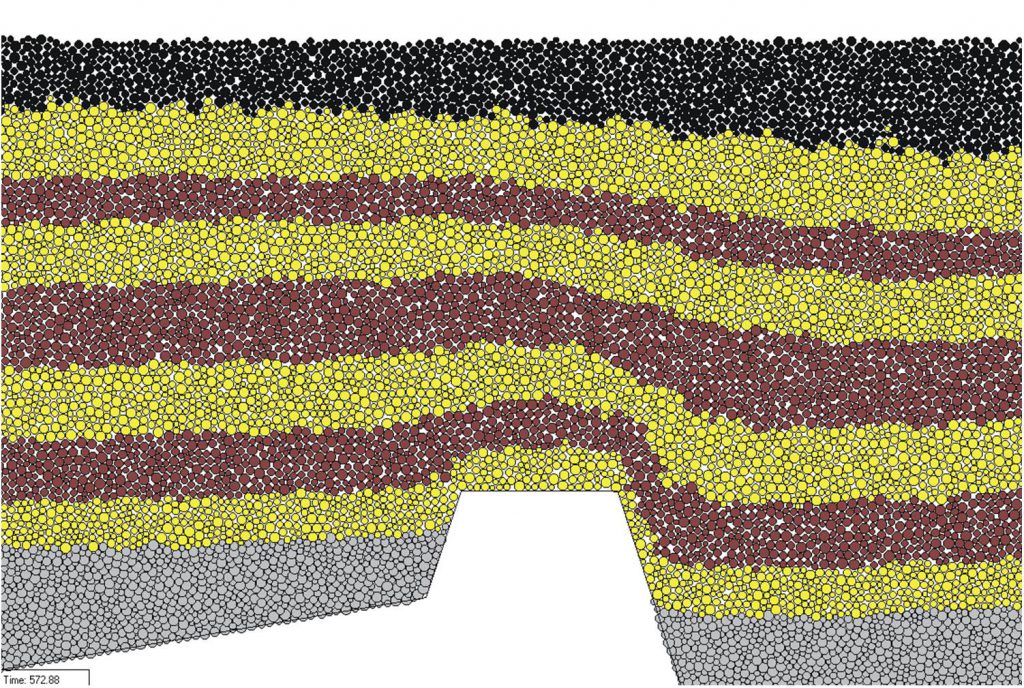
Structural geometry prediction

Reconstruction of complex geometries and their space-time evolution for structures not fully resolved by seismic data or other geophysical methods.

This line integrates analogue and numerical modelling to understand which geometry deep structures, traps or tectonic arrangements may adopt when geophysical resolution is limited. The aim is not only to reproduce geometries, but also to reconstruct tectonic and thermal histories and evaluate their impact on geological and energy systems.

structural tectonicsthermal evolutionsubsurface prototypes
Fracture zone prediction

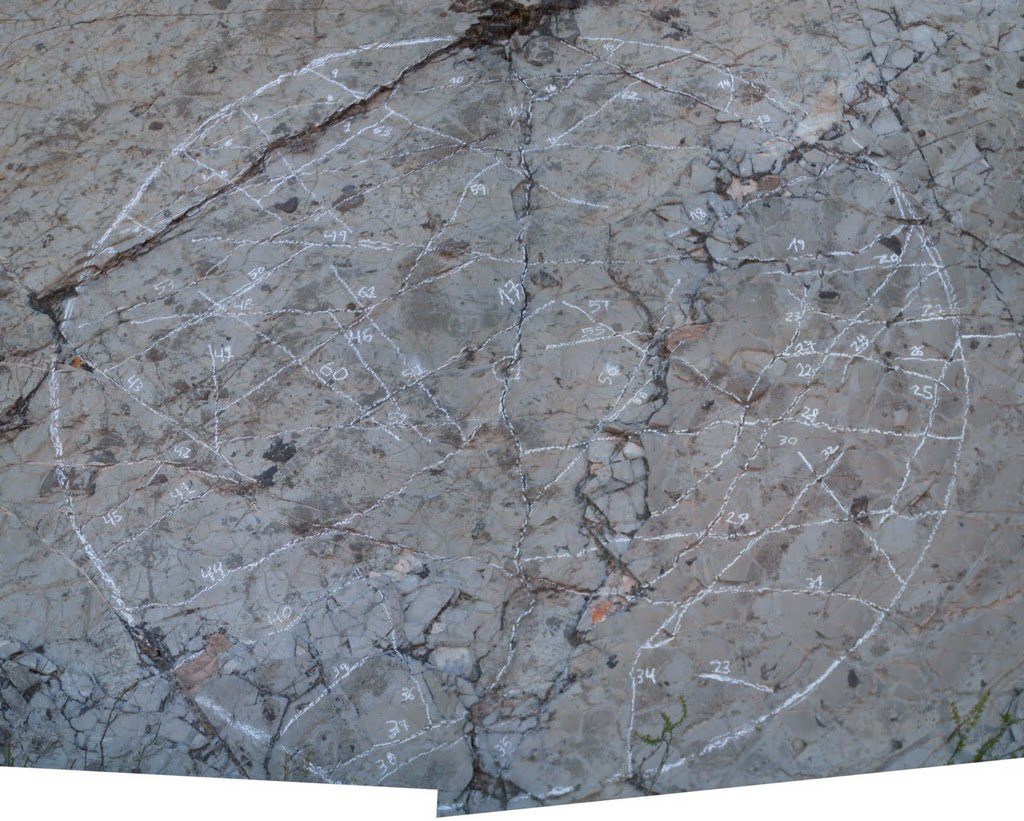
Development and comparison of methods to estimate where natural fractures concentrate and how intense they are in conventional and unconventional reservoirs.

The laboratory works on fracture prediction in rocks whose porosity and permeability are dominated by fractures, including low-permeability sandstones and shale reservoirs. This line combines predictive numerical methods, mechanical simulations and comparisons with possible tectonic histories to reduce uncertainty in exploration and production.

natural fracturesreservoirsmechanical simulation

Structural sweet spots and stress mapping

Analysis of the present-day stress field, well breakouts and local stress distributions to understand the opening or closing of fracture sets.

This line aims to identify structural sweet spots in unconventional systems, especially where induced fracturing interacts with a pre-existing natural fabric. The group integrates breakout data, horizontal stresses and local stress-field variations to improve the understanding of basins such as Neuquén and Austral.

well breakoutsstress fieldshale oil and gas

Structure-magmatism interaction

Study of dyke generation and propagation, magma mobility and volcanic edifice geometry under different structural regimes.

The laboratory investigates how structural architecture controls magmatic intrusion, the opening of new eruptive vents and the location of damage zones associated with dykes and sills. This topic is relevant both for volcanology and for areas where intrusions affect hydrocarbon- and mineral-bearing units.

dykesintrusionsstructural volcanism

Thermo-mechanical numerical modelling

High-complexity simulations to solve tectonic, thermal and lithospheric processes governed by physical equations.

Thermo-mechanical models allow quantifying the interaction between thermal evolution, tectonics, surface processes and deep structural architecture. This line strengthens the physical basis of geological interpretation and provides tools to understand sedimentary basins, hydrocarbon generation and geodynamic evolution.

geodynamicsphysical simulationsedimentary basins

Velocity fields and kinematic-mechanical modelling

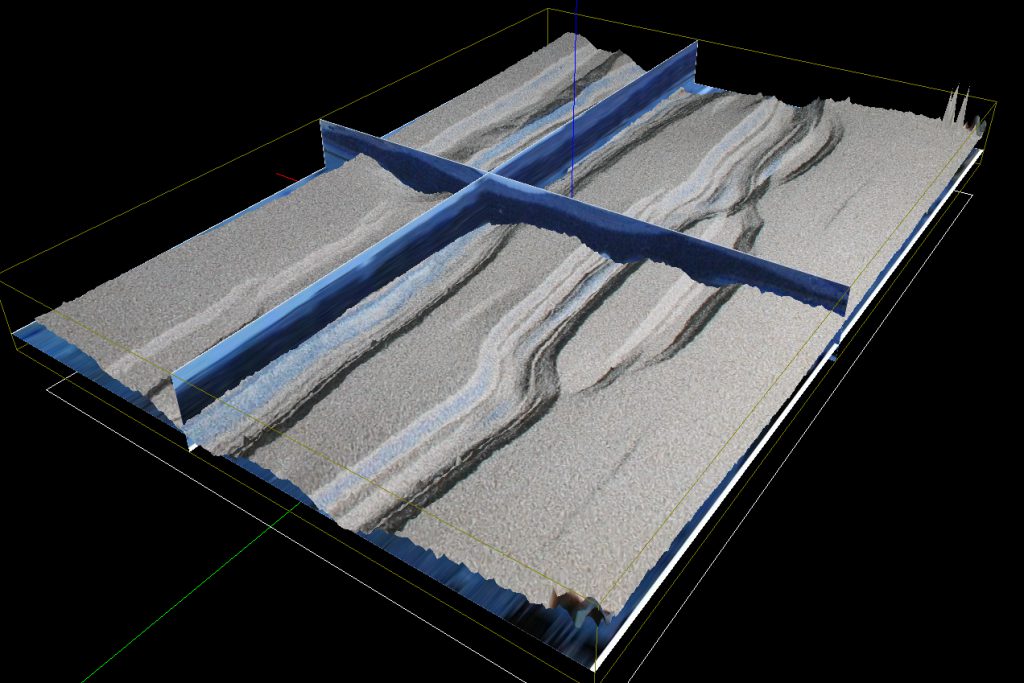
Use of velocity fields from analogue models to revisit existing kinematic models and propose new structural algorithms.

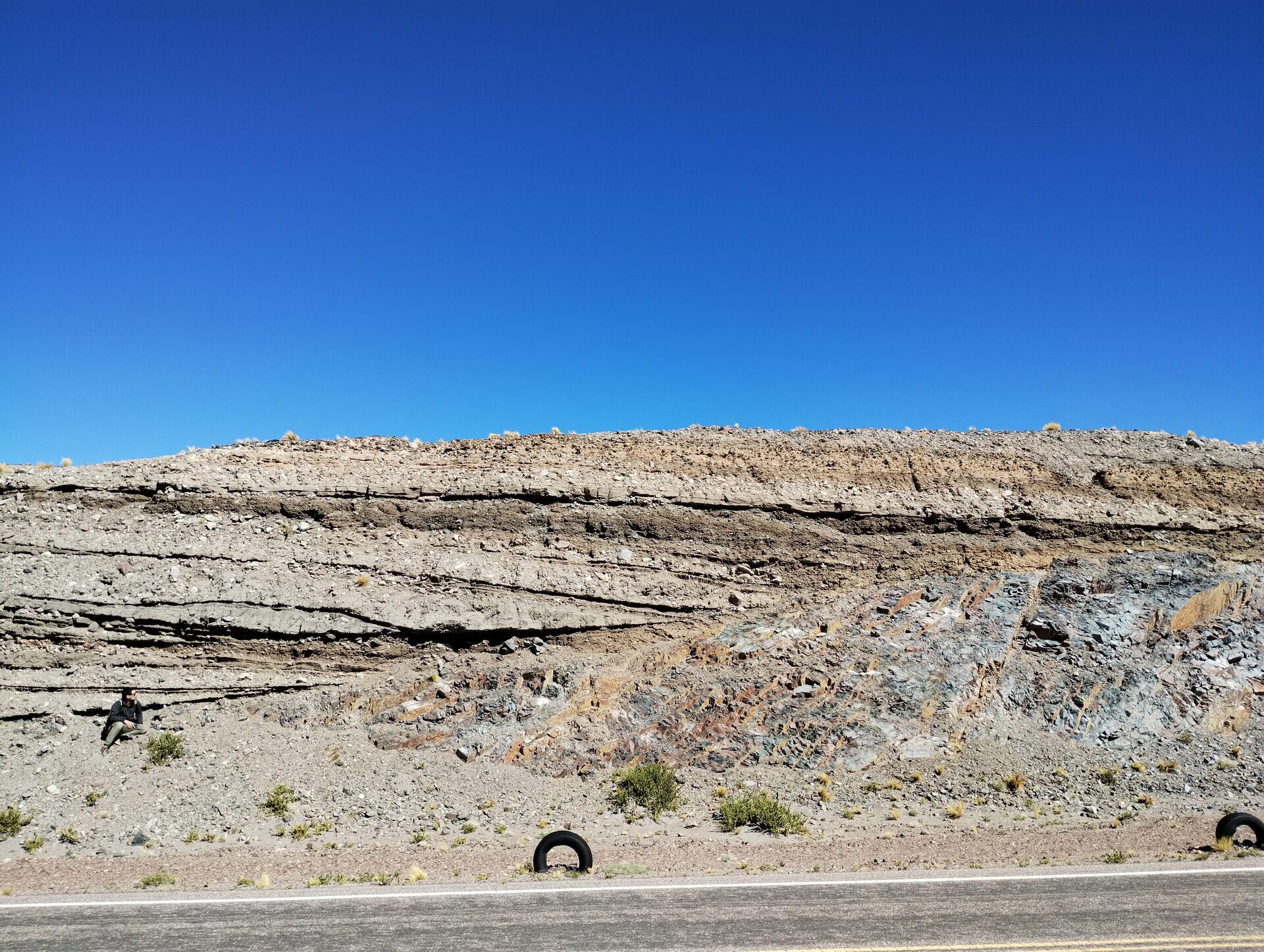
Based on the quantitative analysis of analogue experiments, the group modifies and develops kinematic formulations with a mechanical perspective to improve fold and fault reconstruction. The final goal is to translate these results into tools applicable to structural modelling software used in exploration and trap assessment.

velocity fieldsfoldsstructural algorithms

Structural fabric recognition and AMS

Integration of survey technologies and anisotropy of magnetic susceptibility to characterise deformation and stress fields.

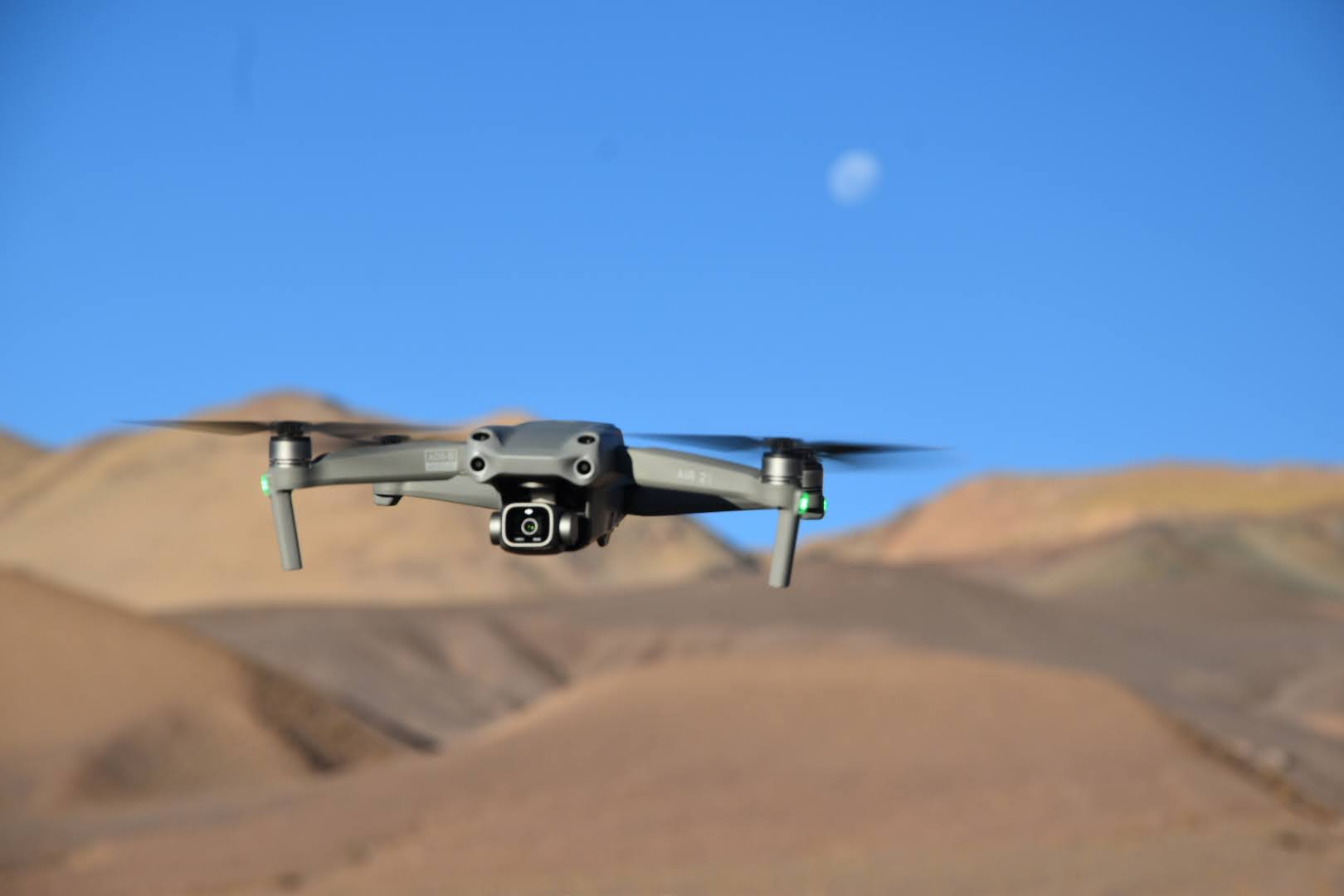
In addition to recent non-invasive methods such as drones, portable sensors and LiDAR, the laboratory incorporates anisotropy of magnetic susceptibility studies to identify principal shortening and stretching directions in weakly or non-penetratively deformed rocks. This line extends the group’s capacity to analyse fold-and-thrust belts, growth strata and magmatic intrusions.

AMSdeformationstructural fabric